


How to Select the Right Optibelt Belt for Your Machinery
In modern manufacturing, processing, and heavy production environments across Nigeria, power transmission drives are the operational link between electric motors and critical machinery. Whether driving high-flow industrial pumps, heavy rock crushers, ventilation fans, or automated conveyor lines, selecting the correct drive belt directly impacts machinery uptime, energy efficiency, and total maintenance costs.
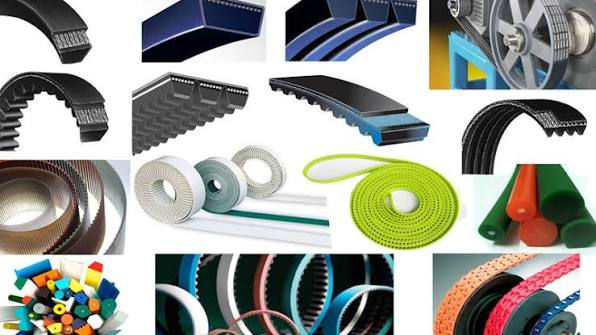
Optibelt is globally recognized for engineering premium power transmission components. However, because Optibelt manufactures a vast range of drive belts—from standard classic V-belts to high-torque timing belts and aramid-reinforced Kraftbands—choosing the wrong profile or series for a specific application can lead to premature belt failure, pulley wear, and costly production stops.
This technical selection guide breaks down the core engineering parameters required to choose the precise Optibelt belt for your plant machinery, detailing application matches, power ratings, and local procurement best practices.

Key Decision Factors for Drive Belt Selection
Selecting the optimal Optibelt belt requires evaluating four primary operational variables:
+-----------------------------------------------------------------------------------+
| DRIVE BELT SELECTION FRAMEWORK |
+--------------------------+--------------------------------------------------------+
| 1. Drive Type & Motion | Synchronous (positive tracking) vs Non-synchronous |
| 2. Power & Torque Load | Standard loads vs high shock / heavy pulsating torque |
| 3. Operating Environment | Ambient heat, oil exposure, dust, and static spark risk |
| 4. Pulley Geometry | Minimum pulley diameters, center distance, and speed |
+--------------------------+--------------------------------------------------------+
1. Synchronous vs. Non-Synchronous Requirements
Timing / Synchronous Belts: Required when precise speed ratios, shaft synchronization, or zero slip are mandatory (e.g., automation, packaging lines, and textile equipment).
V-Belts / Ribbed Belts: Ideal for heavy power transmission where controlled slip under extreme overload acts as a mechanical safety buffer (e.g., crushers, pumps, blowers, and HVAC systems).
2. Transmitted Power and Shock Loads
Standard industrial drives operating under smooth, continuous loads can utilize wrapped wedge or classic V-belts.
High-horsepower drives subject to heavy shock loads or pulsating torque (such as diesel-driven pumps or heavy crushers) require raw-edge cogged belts, banded Kraftbands, or aramid-reinforced cord structures.
3. Environmental and Temperature Conditions
Standard rubber belts degrade rapidly when exposed to temperatures exceeding 70°C or continuous oil splash. High-ambient factory environments require EPDM-based or specialty temperature-resistant compounds.
Selecting the Right Optibelt Series
To simplify procurement, the core Optibelt product lines are organized below by design characteristics and recommended industrial applications:
Optibelt Product Series | Key Technical Features | Primary Industrial Applications |
Optibelt SK S=C Plus | High-performance wedge belts; DIN 7753 / ISO 4184 compliant; unmeasured length matching | Heavy industrial drives, general machinery, industrial pumps, and ventilation fans |
Optibelt RED POWER 3 | Maintenance-free; tension-free operation; up to 50% higher power capacity | Heavy duty machinery, continuous 24/7 manufacturing, and enclosed drive spaces |
Optibelt BLUE POWER | High-modulus Aramid cord core; transfers up to 2x power of standard belts | Extreme shock-load applications, mining equipment, stone crushers, and large mill drives |
Optibelt SUPER TX M=S | Raw-edge cogged construction; high flexibility for small pulley diameters | High-speed compact drives, automotive, and small industrial equipment |
Optibelt KB (Kraftbands) | Banded V-belts joined by a top cover to eliminate belt turn-over | Drives with long center distances, pulsating vibration, or vertical shaft setups |
Optibelt OMEGA / ZR | Precision rubber timing belts for synchronous, slip-free power transmission | CNC machinery, packaging lines, printing presses, and automated conveyors |
Step-by-Step Selection Workflow
To ensure maximum operational life from your machinery drives, follow this four-step selection process:
Step 1: Calculate Design Power
Multiply the motor's nominal power rating ($P_N$ in kW or HP) by an application service factor ($c_2$). The service factor accounts for daily operating hours, driver type (electric motor vs. internal combustion engine), and driven equipment severity.
Design Power (P_c) = Nominal Motor Power (P_N) x Service Factor (c_2)
Step 2: Determine Belt Profile
Cross-reference the calculated Design Power ($P_c$) and the rotational speed (RPM) of the smaller pulley on Optibelt drive selection charts to identify the ideal profile (e.g., SPZ, SPA, SPB, SPC for wedge belts, or 3V, 5V, 8V).
Step 3: Verify Pulley Minimum Diameters
Check that the existing drive sheaves meet the minimum recommended pitch diameter for the chosen belt profile. Running heavy profile belts on undersized pulleys causes flex fatigue, cord separation, and excessive heat buildup.
Step 4: Choose Structural Grade Based on Duty Cycle
For standard duty: Select Optibelt SK.
For zero-maintenance requirements: Upgrade to Optibelt RED POWER 3.
For extreme shock loads and space-constrained drives: Specify Optibelt BLUE POWER.
Source Certified Optibelt Products in Nigeria with DeePee Industrials Limited
Using accurate engineering calculations is only effective if the physical belts installed on your machinery are 100% genuine OEM products. Counterfeit and gray-market drive belts lack the precision cord bonding and high-grade compound chemistry required to match Optibelt's technical ratings.
DeePee Industrials Limited is an authorized distributor of genuine Optibelt power transmission products in Nigeria. Operating from central warehousing facilities in Lagos (18 Falolu Road, Surulere), alongside regional centers in Kano, Port Harcourt, and Sapele, DeePee Industrials Limited provides industrial facilities across West Africa with certified, factory-fresh drive belts.

Why Partner with DeePee Industrials Limited?
Direct Factory Traceability: Guaranteed genuine Optibelt products backed by full manufacturer certification.
Technical Sizing Support: In-house technical specialists to assist with drive design calculations, belt profile cross-referencing, and tensioning setup.
Comprehensive Stock: Extensive local inventory of single V-belts, banded Kraftbands, timing belts, and matching drive pulleys.
Conclusion
Selecting the right Optibelt drive belt requires balancing drive geometry, power requirements, and environmental conditions. By accurately matching the operational load to the correct belt series—and sourcing exclusively through accredited corporate supply channels—plant operators can maximize equipment uptime, reduce energy costs, and eliminate premature drive failures.
Contact the engineering support team at DeePee Industrials Limited in Surulere, Lagos, today to verify your drive specifications and order certified Optibelt solutions.
Frequently Asked Questions (FAQ)
Question: What is the main advantage of upgrading to Optibelt RED POWER 3 V-belts?
Answer: Optibelt RED POWER 3 belts are maintenance-free, requiring no re-tensioning throughout their service life under proper installation conditions. They also offer up to 50% higher power capacity compared to standard wedge belts, allowing for more compact drive designs.
Question: When should I choose an Optibelt Kraftband (banded belt) over multiple single V-belts?
Answer: Kraftbands should be specified for drives with high shock loads, severe pulsating vibration, long center distances, or vertical shafts. The top tie-band prevents individual belts from turning over, jumping out of sheave grooves, or vibrating out of alignment.
Question: How does the Optibelt S=C Plus feature benefit maintenance teams?
Answer: S=C Plus (Set Constant) belts are manufactured to extremely tight length tolerances. This allows any belt of a specified size to be used in a matched multi-groove set without needing manual measurement or factory-matched pairing.
Question: Can I replace a standard wrapped V-belt with a raw-edge cogged belt (like Optibelt SUPER TX)?
Answer: Yes. Raw-edge cogged belts offer higher flexibility, lower bending resistance, and better heat dissipation. They can run on smaller pulley diameters and provide higher efficiency than traditional wrapped belts on compatible sheaves.


Comments