


Genuine vs Counterfeit Industrial Belts: What Every Buyer Should Know
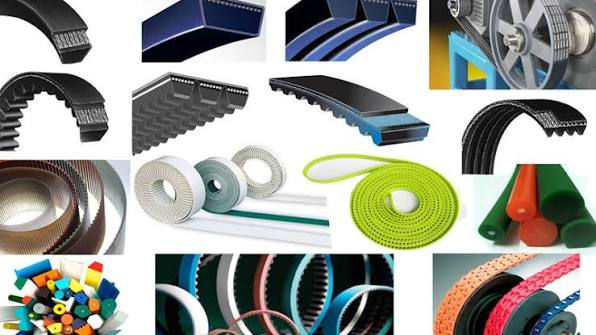
In heavy manufacturing, mining, oil processing, and agricultural production across Nigeria, mechanical power transmission relies on the physical integrity of industrial belts. V-belts, timing belts, and joined Kraftbands transmit rotational kinetic energy from electric motors and engines directly to pumps, crushers, blowers, and conveyor lines. When a drive belt performs as engineered, production lines maintain target operating speeds, energy efficiency remains optimized, and machine maintenance stays predictable.
However, the industrial supply market in West Africa faces an ongoing influx of sophisticated counterfeit drive belts. These unauthorized imitations mimic the visual branding, logos, and part numbers of global manufacturers like Optibelt, but lack the structural engineering, material quality, and safety compliance required for continuous industrial duty.

For procurement officers, plant managers, and maintenance engineers, purchasing an unverified belt introduces severe operational vulnerabilities. Counterfeit belts elongate rapidly, slip in pulley grooves, generate intense heat, and snap without warning. This deep dive guide explains what every industrial buyer must know to distinguish genuine OEM drive belts from dangerous imitations, safeguard equipment, and maintain uninterrupted plant operations.
The Hidden Cost of Fake Industrial Belts: Beyond the Initial Price Tag
The primary lure of counterfeit industrial belts is an enticingly low purchase price. Unverified open market traders often market fake belts at significant discounts compared to certified OEM products. However, evaluating drive belts solely on initial unit cost represents a dangerous false economy.
Total Cost of Fake Belts = Initial Purchase Savings - (Frequent Replacement Costs + Motor Bearing Damage + Pulley Sheave Wear + Increased Electricity Bills + Emergency Machine Downtime)
1. Frictional Slippage and Energy Losses
Counterfeit belts utilize cheap, unrefined rubber compounds and low grade tensile threads that stretch almost immediately upon installation. As tension drops, the belt slips continuously against pulley sheaves. This slippage wastes mechanical energy, forcing electric motors to draw excessive electrical current (Amperes) to maintain target operating RPMs, inflating monthly power bills.
2. Excessive Heat and Pulley Sheave Wear
Continuous belt slippage generates intense frictional heat within the pulley groove. This localized heat hardens the rubber sidewalls of the belt and accelerates thermal wear on cast iron pulleys. Replacing worn pulley sheaves requires heavy capital expenditure and extended maintenance downtime.
3. Uneven Radial Loads and Bearing Failure
In multi belt drive setups, counterfeit belts vary significantly in physical length out of the box. When installed together, the shortest belt absorbs nearly the entire mechanical load while longer belts sag. This uneven tension exerts heavy radial overhung loads on motor shafts, causing shaft deflection and premature motor bearing failure.
Physical Verification Protocols: How to Spot a Counterfeit Belt
Detecting fake drive belts on the factory floor requires a systematic visual and tactile inspection process before placing hardware onto machinery drives. Premium manufacturers like Optibelt adhere to strict production tolerances that counterfeiters struggle to replicate.
+-----------------------------------------------------------------------------------+
| 4-STEP VERIFICATION CHECK |
+--------------------------+--------------------------------------------------------+
| 1. Branding & Text | Crisp, aligned lettering vs blurry, smudged printing |
| 2. Manufacturing Marks | Authentic S=C Plus branding vs random length variation |
| 3. Rubber & Edge Finish | Smooth, firm EPDM compound vs sticky, rough scrap |
| 4. Chemical Scent | Mild vulcanized scent vs harsh chemical off-gassing |
+--------------------------+--------------------------------------------------------+
Step 1: Inspect Branding, Font, and Text Printing
Genuine Belts: Feature crisp, high contrast, perfectly aligned lettering stamped directly onto the rubber backing. The text displays the exact manufacturer logo, brand name, specific product line (e.g., Optibelt SK, RED POWER 3, or BLUE POWER), exact profile, and pitch length.
Fake Belts: Display smudged, blurry, off-center, or lightly printed lettering that easily rubs off when wiped with alcohol or light finger pressure. Misspellings or altered brand variations are also common red flags.
Step 2: Verify Length Matching Credentials (S=C Plus)
Genuine Belts: Premium Optibelt V-belts carry the official S=C Plus (Set Constant) designation. This guarantees manufacturing tolerances so precise that any belt of a given size can be installed in a matched set without manual length measuring.
Fake Belts: Often copy the S=C Plus text onto belts that vary drastically in physical length, leading to severe belt sag when installed across multi-groove pulleys.
Step 3: Analyze Rubber Matrix, Edge Finish, and Core Cords
Genuine Belts: Demonstrate a uniform, resilient rubber composition without air pockets, rough seams, or fraying internal threads. The sidewalls feel firm, smooth, and flexible.
Fake Belts: Feature uneven rubber density, sticky or brittle rubber compounds, and visible thread fraying along cut edges.
Step 4: Evaluate Chemical Odor
Genuine Belts: Emit a mild, standard vulcanized rubber scent.
Fake Belts: Frequently off-gas harsh, pungent chemical fumes caused by unrefined synthetic scrap rubber and low-grade chemical fillers.
Material Science: Genuine OEM vs Counterfeit Construction
The physical gap between authentic and fake belts stems directly from raw material engineering and chemical processing.
Technical Attribute | Genuine OEM Belts (e.g., Optibelt) | Counterfeit / Substandard Belts |
Base Rubber Matrix | EPDM or polychloroprene compounds resistant to oil, dust, and heat | Unrefined synthetic scrap rubber mixed with cheap fillers |
Tensile Cord Core | Chemically treated high-modulus polyester or Aramid (Kevlar) cords | Untreated low-grade cotton or nylon threads that stretch under load |
Cord Adhesion | Specialized chemical dipping ensures zero internal ply separation | Weak internal bonding leads to rapid cord separation and snapping |
Thermal Range | Operates reliably from -40°C up to +120°C depending on series | Hardens, cracks, and degrades rapidly at temperatures above 50°C |
Static Discharge | ISO 1813 certified electrical conductivity for explosive environments | Non-conductive or erratic properties creating static spark hazards |
Electrical Safety Hazards: ISO 1813 Compliance and Static Spark Risks
A frequently overlooked hazard of counterfeit drive belts is the absence of static electricity dissipation. As an industrial belt rotates rapidly against cast iron pulleys, friction generates high voltage static charges.
In hazardous operational zones, such as petroleum refineries, flour milling plants, chemical facilities, and woodworking shops, unmanaged static electricity poses a severe risk. A static spark can ignite ambient chemical vapors or fine airborne dust, triggering severe explosions or fires.
Genuine Optibelt V-belts comply fully with ISO 1813 international standards for electrical conductivity. They incorporate specialized conductive carbon black compounds that safely bleed static charges off the belt and through grounded machinery structures. Counterfeit belts lack this technical compliance, turning drive assemblies into ungrounded static spark hazards.
Procurement Best Practices: Safeguarding Your Industrial Supply Chain
Protecting your enterprise from fake hardware requires establishing strict corporate procurement controls.
+-----------------------------------------------------------------------------------+
| SAFEGUARDING YOUR INDUSTRIAL SUPPLY CHAIN |
+-----------------------------------------------------------------------------------+
| [1] Bypass Informal Markets --> Avoid purchasing from open market stalls |
| [2] Verify Part Numbers --> Cross-reference via official web portals |
| [3] Demand Certificates --> Require Manufacturer Certificates of Origin |
| [4] Partner with Dealers --> Source via licensed corporate distributors|
+-----------------------------------------------------------------------------------+
Bypass Informal Open Markets: Open market stalls and unverified retail traders in commercial centers are major entry points for counterfeit stock. Industrial consumables should always be sourced through accredited corporate engineering entities.
Cross-Reference Part Numbers Online: Before approving a purchase order, technical teams should cross-reference part numbers and profile dimensions on official manufacturer portals, such as the Optibelt Official Website. If a part number does not exist within the active catalog, the product is counterfeit.
Insist on Official Documentation: Request formal Certificates of Origin, ISO compliance documentation, and technical data sheets with your consignment. Authorized corporate distributors readily provide full documentation traceability.
Establish Direct Authorized Relationships: Partner with licensed corporate distributors that maintain direct factory supply channels with global manufacturers.

DeePee Industrials Limited: Your Authorized OEM Partner in Nigeria
Eliminating the threat of counterfeit power transmission belts requires working directly with a verified corporate supplier.
DeePee Industrials Limited is a premier engineering supplies company and licensed authorized distributor for genuine Optibelt power transmission products, Grundfos pumps, and Peerless pumping systems in Nigeria. Established in 2008 and operating from its head office at 18 Falolu Road, Surulere, Lagos, DeePee Industrials Limited provides industrial clients with 100 percent authentic, factory fresh hardware backed by full manufacturer guarantees.
Why Partner with DeePee Industrials Limited?
Guaranteed OEM Authenticity: Every Optibelt V-belt, timing belt, and Kraftband is sourced directly from certified global manufacturing plants.
S=C Plus Length Precision: Access factory-matched belts with zero length variations for balanced multi-groove drive setups.
Technical Engineering Support: Experienced sales engineers assist with drive audits, pitch calculations, profile selection, and proper installation tensioning.
Comprehensive Local Inventory: Extensive warehousing in Lagos ensures rapid order fulfillment across all industrial estates in Nigeria.
Conclusion: Safeguard Machine Performance and Uptime
In industrial operations, machine reliability dictates market competitiveness and corporate profitability. Power transmission belts are critical engineering components that dictate driver efficiency, energy consumption, and factory safety.
Attempting to cut short term costs by purchasing unverified or counterfeit drive belts invites frequent mechanical breakdowns, motor bearing destruction, elevated power bills, and physical safety hazards. By understanding the physical indicators of fake belts, enforcing strict inspection protocols, and sourcing exclusively through authorized corporate channels, your business can eliminate counterfeit liabilities entirely.
Secure your plant infrastructure today. Contact the technical sales team at DeePee Industrials Limited in Surulere, Lagos, to audit your power transmission requirements and procure certified genuine Optibelt solutions.
Frequently Asked Questions (FAQ)
Question: How can I verify that the Optibelt V-belts I receive in Nigeria are genuine OEM products?
Answer: Genuine Optibelt products feature crisp, perfectly aligned text printing, clear part numbers, and smooth EPDM rubber construction. The most reliable verification method is requesting official Certificates of Origin and purchasing exclusively through an authorized distributor like DeePee Industrials Limited.
Question: Why do low-quality counterfeit V-belts stretch so rapidly after installation?
Answer: Fake belts use unrefined rubber scrap and weak cotton or low-grade nylon threads that lack resistance to mechanical tension and thermal stress. Authentic Optibelt belts feature specially treated, high-modulus polyester or Aramid tensile cords that resist stretch under heavy loads.
Question: What are the dangers of using non-static-conductive fake belts in flour mills or oil refineries?
Answer: Non-conductive belts accumulate high voltage static electricity through friction. Without ISO 1813 certified static dissipation, an electrostatic spark can ignite airborne dust or volatile chemical vapors, causing catastrophic plant fires or explosions.
Question: What does the S=C Plus marking mean on a genuine Optibelt V-belt?
Answer: S=C Plus stands for Set Constant tolerances. It guarantees that belts are manufactured to such precise length tolerances that any belt of a nominal size can be installed in a multi-groove drive set without manual sorting or pairing.
Question: Where is the head office of DeePee Industrials Limited located for direct orders in Lagos?
Answer: The head office of DeePee Industrials Limited is located at 18 Falolu Road, Surulere, Lagos, Nigeria. You can contact their sales engineering team directly to audit drive specs and order certified OEM industrial equipment.


Comments